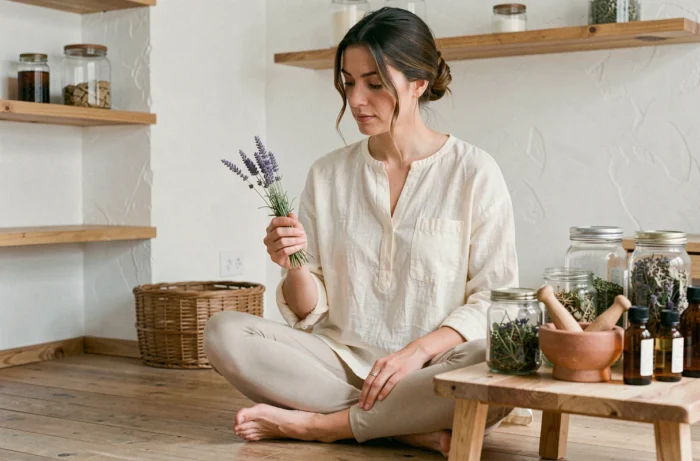
When one starts to take an interest in naturopathy, the first reflex is often to look for a list of dietary supplements or herbal teas to buy. The problem is that this approach overlooks the actual functioning of the discipline. Naturopathy structures a healthy lifestyle around overall hygiene, not around isolated products. Understanding this logic changes the way it is integrated into daily life.
Legal Limits of Naturopathy in France: What Conditions Everything Else
Before changing habits on the advice of a naturopath, one must know the framework in which this practice operates. In France, naturopathy remains an unregulated liberal activity, without a state diploma, without a protected title, and without registration in a health register like the RPPS or ADELI.
The report from the National Council of the Order of Physicians dated June 27, 2023, and a ministerial response from March 20, 2024, confirm that no specific regulatory tightening has been adopted. A naturopath cannot make a medical diagnosis, treat a disease, or advise stopping a treatment, under penalty of falling into the illegal practice of medicine (article L4161-1 of the Public Health Code).
In practical terms, this means that naturopathy is limited to support in prevention and lifestyle hygiene, in addition to conventional medical follow-up. Any promise of healing or treatment of a pathology should raise alarms. On Vitalomia, there are resources that fit into this logic of complementary natural well-being, without replacing conventional medicine.
Nutrition and Naturopathy: Going Beyond the ‘Superfood’ Reflex
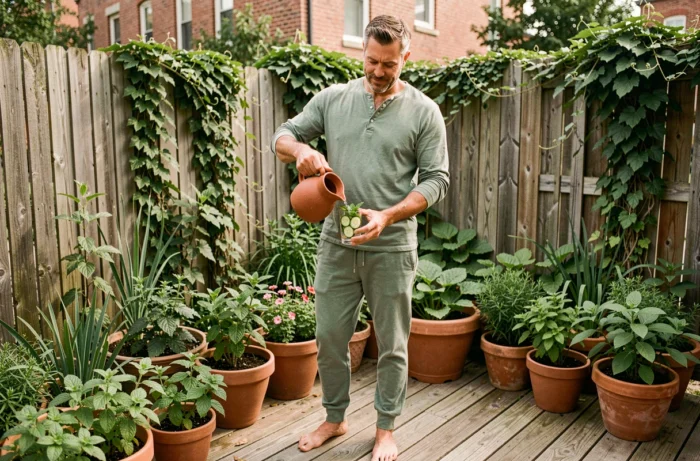
Most articles on the subject recommend eating organic and seasonal. This is a good starting point, but it remains superficial. In naturopathy, nutrition is not limited to a list of allowed or forbidden foods. It is organized around individual digestive capacity.
What the Naturopath Assesses Before Advising a Diet
During a consultation, the practitioner examines overall vitality, functional disorders (bloating, post-meal fatigue, irregular transit), and existing eating habits. The goal is not to impose a universal dietary model, but to adjust the plate to the individual.
One can eat organic and varied while overloading their digestive system if they poorly combine foods or eat too quickly. The timing of meals and chewing are as important as the contents of the plate.
Concrete Adjustments That Make a Difference
- Reduce ultra-processed foods and refined sugars, not for moral reasons, but because they strain the liver and pancreas without providing usable micronutrients
- Favor gentle cooking methods (steaming, low temperature) that preserve enzymes and vitamins, rather than systematic frying or grilling
- Introduce fermented foods (raw sauerkraut, kefir, miso) to support the gut microbiota, starting with small amounts to avoid discomfort
Feedback on this point varies, as tolerance to fermented foods depends on the initial state of the gut. Starting with a tablespoon per meal allows one to observe their own reaction.
Stress Management Through Naturopathic Practices: Beyond Breathing
Stress management is a pillar of naturopathy, and most competitors stop at “practice heart coherence.” This is useful but insufficient when stress has been present for months.
A naturopath works on several axes simultaneously. The first is physical: a body that is constantly contracted does not release stress through mere mental will. Techniques like foot reflexology or wellness massages aim precisely to unblock accumulated tensions in the body.
The second axis concerns adaptogenic plants. Ashwagandha, rhodiola, or griffonia are frequently suggested to modulate the stress response. Their use requires a minimum of discernment: some plants interact with medication (antidepressants, anticoagulants). One should not take St. John’s Wort while on antidepressants, for example. Any supplementation with plants should be discussed with a healthcare professional.

Building a Realistic Anti-Stress Routine
Rather than a list of ideal activities (yoga, meditation, forest walks, journaling), it is better to choose a single lever and practice it regularly. Twenty minutes of daily outdoor walking produce measurable results on sleep quality and nerve tension, provided that regularity is maintained over several weeks.
The classic mistake is wanting to change everything at once. One lasts two weeks and then gives up. A competent naturopath proposes gradual adjustments, one at a time, assessing the results before adding another change.
Choosing a Naturopath: Concrete Criteria to Check
Since there is no protected title, anyone can claim to be a naturopath. This is the weak point of the sector, and it also requires the most vigilance from the public.
- Check that the practitioner has completed at least 1,200 hours of training at a school recognized by the FENA (French Federation of Naturopathy Schools) or by OMNES (Organization of Natural Medicine and Health Education), the two main professional federations in France
- Ensure that they do not promise to cure a pathology and that they refer to a doctor in case of serious symptoms
- Ask about the typical process of a first consultation: a complete vitality assessment usually lasts more than an hour and covers diet, sleep, physical activity, emotional state, and medical history
- Check that they have professional liability insurance, mandatory for any practitioner in liberal practice
A naturopath who advises against ongoing medical treatment is stepping outside their area of competence. This is an immediate warning signal, regardless of their level of training.
Adopting a healthy lifestyle through naturopathy does not involve a sudden break with one’s habits. It is a process of successive adjustments, guided by a practitioner who knows their professional limits and collaborates, when necessary, with the medical community. Natural well-being works when it remains complementary, not when it replaces.